Severe storms can leave behind devastation that cripples communities and infrastructure. Fallen trees, scattered debris, and downed utility lines pose immediate hazards and disrupt daily life. Professional Storm Damage Clean-Up Services combine rapid deployment with expert techniques to clear debris, stabilize land, and restore critical infrastructure. In Tennessee, specialized crews perform Utility Line Restoration After Storms in Tennessee to repair power and communication lines with minimal downtime. In this post, we examine how fast response, environmental protection, and strategic rebuilds help communities recover and emerge stronger.
Rapid Mobilization Within 24 to 48 Hours
Speed is essential in post-storm recovery. Leading cleanup teams maintain pre-staged equipment, including chainsaws, loaders, and portable power units, to deploy within 24 to 48 hours of an event. Clearing main roads and emergency access routes takes priority, allowing first responders to reach affected areas. Coordination with local emergency management ensures safety perimeters and permits are in place before work begins. Rapid mobilization prevents secondary hazards such as flooding from blocked drainage and reduces the risk of waterborne contaminant spread.
Debris Removal and Infrastructure Repair
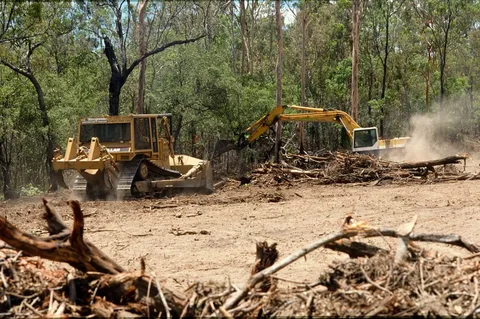
Clearing fallen branches and uprooted vegetation is only half the challenge. Effective recovery requires seamless coordination between debris removal teams and line crews. While cleanup crews handle timber and flood debris, Utility Line Restoration After Storms in Tennessee technicians focus on repairing poles, splicing cables, and re-energizing transformers. Shared site assessments and synchronized schedules allow both teams to work efficiently side by side. This integrated approach shortens restoration timelines and restores essential services quickly, minimizing community disruption and economic impact.
Environmental Safeguards During Cleanup
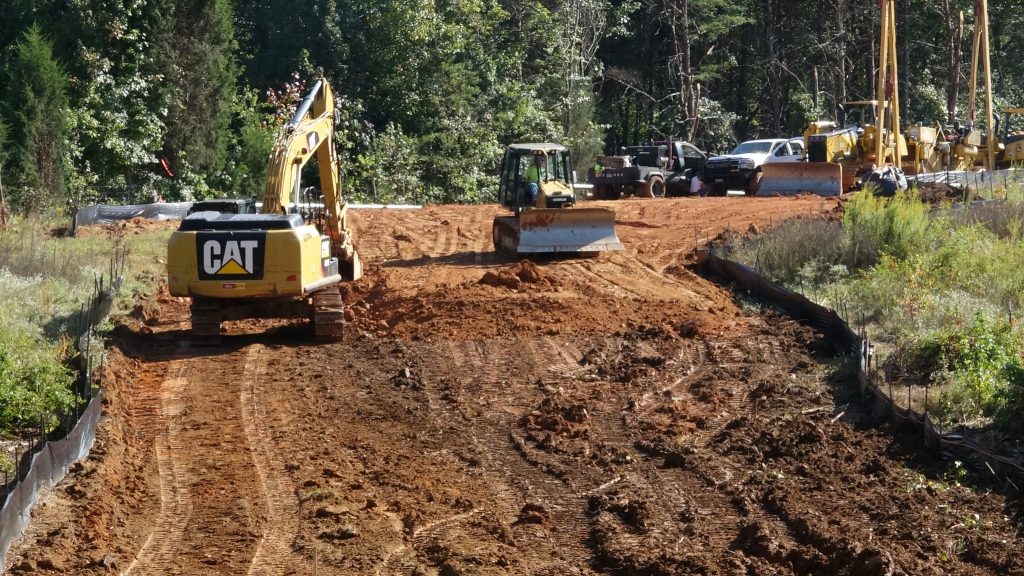
Storms can spread pollutants, knock over chemical containers, and erode soil. Eco-conscious cleanup operations implement measures to protect waterways and habitats. Crews install erosion control devices like silt fences and sediment basins to contain runoff. Absorbent pads capture oil or chemical spills before they reach drains. Wildlife specialists help relocate distressed animals, and crews flag sensitive areas to avoid further disturbance. Hazardous waste is identified, contained, and removed according to regulatory guidelines. These safeguards ensure that cleanup restores safety without creating new environmental risks.
Building Long-Term Resilience
True recovery goes beyond cleanup. Forward-looking providers offer Civil Construction Services that strengthen landscapes against future storms. Reinforced embankments, graded floodplains, and engineered drainage channels direct water away from vulnerable areas. Retention ponds and rain gardens absorb excess runoff, reducing flood peaks. In agricultural regions, land grading and cover crop planting rebuild soil structure. Urban projects may include installing permeable pavements or green roofs to enhance stormwater infiltration. These improvements transform reactive cleanup into proactive resilience, safeguarding communities and reducing future repair costs.
Community Collaboration for Efficient Recovery
Disaster response is a team effort involving cleanup specialists, utility companies, local governments, and residents. Open communication channels and unified command centers align objectives and resources. Public outreach efforts inform residents about debris pickup schedules, safe disposal sites, and restoration progress. Volunteer groups support non‑technical tasks under professional guidance. Regular briefings keep all stakeholders updated and ensure that safety protocols and permits are respected. This community-centered approach maximizes manpower, speeds recovery, and builds trust in the aftermath of disaster.
Conclusion
In the wake of severe weather, expert Storm Damage Clean-Up Services and Utility Line Restoration After Storms in Tennessee are vital for restoring normalcy and safety. Rapid response teams clear debris, repair infrastructure, and implement environmental protections. Long-term stability is achieved through strategic civil construction that reduces future risks. Effective community coordination ensures that cleanup and restoration proceed smoothly and inclusively. By engaging trusted professionals, communities recover faster, rebuild stronger, and stand prepared for the next challenge.