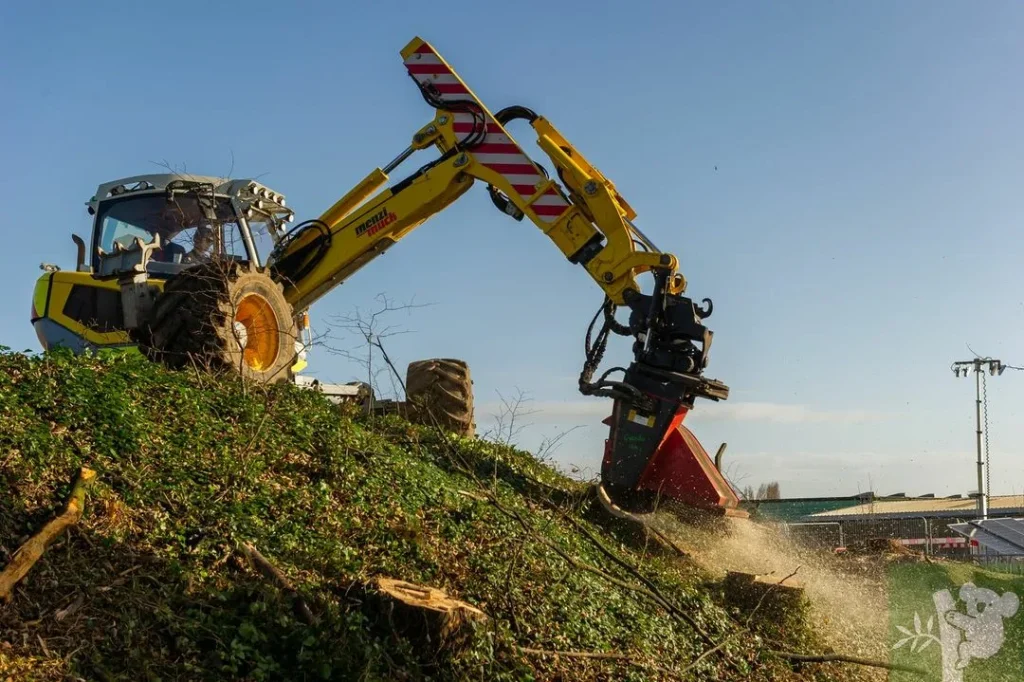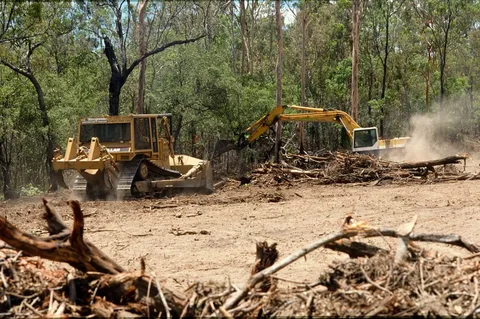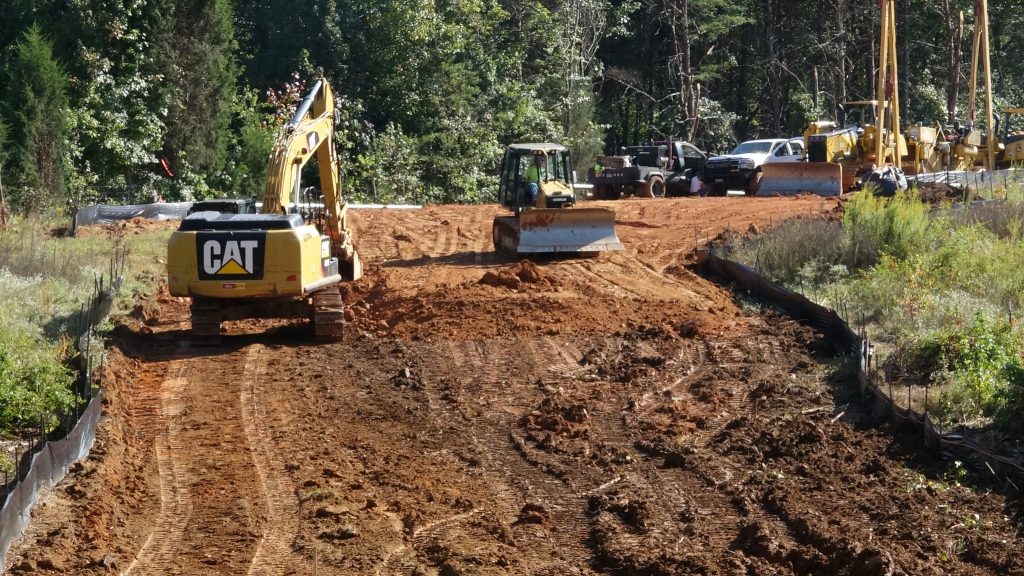
Utility corridors are the lifelines of modern infrastructure, carrying power, water, and fuel across vast distances. Keeping these corridors clear of vegetation and debris is a critical task for safety and reliability. Professional ROW Clearing Services ensure that transmission lines, pipelines, and utility rights of way remain accessible, compliant, and hazard-free. From partnering with a dedicated ROW Maintenance Company in Mississippi to employing precision trimming techniques in Georgia, utilities maintain uninterrupted service and reduce emergency repairs. In this article, we explore best practices and strategic approaches that keep vital corridors open year-round.
Partnering with a ROW Maintenance Company in Mississippi
Mississippi’s humid climate and rapid plant growth present ongoing challenges for corridor upkeep. A specialized ROW Maintenance Company in Mississippi understands regional growth cycles and permit requirements, coordinating seasonal clearing schedules to stay ahead of vegetation surges. Local experts deploy crews during optimal windows, such as late winter dormancy, to remove encroaching trees and underbrush safely. Advance planning secures environmental approvals and minimizes disruptions. Utilities benefit from predictable maintenance plans that reduce costly emergency call-outs and maintain clear access for inspections and repairs.
Transmission Line Clearing Arkansas: Precision and Ecology
High-voltage transmission lines require meticulous clearing to prevent outages and reduce wildfire risk. In Arkansas, crews employ drone mapping to identify tree limbs that threaten conductors and use GPS-enabled equipment for exact clearing. Transmission Line Clearing Arkansas services balance the need for safe clearance with ecological considerations, preserving wildlife corridors and mature trees outside buffer zones. Selective pruning protects sensitive habitats and complies with federal and state regulations. This targeted approach keeps power flowing while minimizing ecological impact and maintaining community goodwill.
Utility Line Vegetation Control in Georgia
Georgia utilities face diverse landscapes, from coastal plains to rolling hills. Effective Utility Line Vegetation Control in Georgia relies on a mix of mechanical brush cutting and spot herbicide application to manage regrowth without harming non-target plants. Detailed vegetation surveys highlight invasive species and high-risk zones. Specialized equipment, such as remote mowers and trimmers, work safely near live conductors. Regular maintenance cycles, informed by growth-rate data, help utilities anticipate trouble spots and schedule proactive clearing before outages occur. The result is enhanced reliability and reduced long-term costs.
Seasonal Maintenance Strategies for Maximum Efficiency
Optimal corridor care depends on timing. Winter and early spring clearing take advantage of plant dormancy, reducing debris volume and improving mulch management. Mid-season inspections address storm damage and high-growth threats. Late-season work prepares corridors for fall storms and winter regrowth. Integrating weather forecasts, growth models, and GIS mapping allows utilities to build dynamic maintenance calendars. Predictive scheduling prevents surprises, ensures regulatory compliance, and keeps crews working safely and productively throughout the year.
Integrating Civil Construction Services for Long-Term Stability
Routine clearing is essential but adding civil construction measures enhances corridor resilience. Building access roads with gravel or geotextile layers facilitates equipment access and discourages regrowth. Installing drainage culverts and graded swales controls water flow and prevents erosion under pole foundations. Constructing stable service pads or equipment foundations reduces future maintenance needs. By combining Civil Construction Services with regular clearing, utilities create robust infrastructure that supports faster emergency response and lowers overall lifecycle costs.
Conclusion
Effective corridor management combines strategic planning, advanced clearing techniques, and infrastructure enhancements. Professional ROW Clearing Services and partnerships with a ROW Maintenance Company in Mississippi keep utility corridors safe and operational. From Transmission Line Clearing Arkansas to Utility Line Vegetation Control in Georgia, expert teams protect assets and serve communities. By integrating seasonal strategies, ecological safeguards, and civil construction improvements, utilities build resilient corridors that stand up to growth, weather, and regulatory demands. Clearing the way correctly ensures that vital systems continue to power, hydrate, and connect our world without interruption.